
Maison du Laurier: when genuine Aleppo soap grabs the media’s attention
Aleppo soap has seen a real resurgence in popularity in recent years amongst consumers seeking natural, authentic and skin-friendly products. However, with the proliferation of imitations and industrial soaps sold under the name ‘Aleppo soap’, it can sometimes be difficult to distinguish genuine traditional soap from a product merely inspired by this age-old recipe.
It is precisely this issue that was highlighted by Ici Drôme Ardèche in a report on Maison du Laurier, a company based in Montvendre, in the Drôme region, which specialises in the manufacture and import of genuine Aleppo soap.
Through this report, the journalists sought to shine a spotlight on a brand committed to preserving a historical craft dating back several millennia.
A family-run business dedicated to authentic Aleppo soap
Founded by Rita Basmajian, Maison du Laurier upholds a rigorous standard for traditional Aleppo soap. Originally from Aleppo in Syria, Rita grew up with this iconic soap, which was used daily by her family.
In a report broadcast by Ici Drôme Ardèche, she explains that, upon her arrival in France, she was surprised by the amount of poor-quality Aleppo soap available on the European market.
Her goal then became clear: to offer French consumers authentic Aleppo soap, true to its origins and its historic manufacturing method.
Today, Maison du Laurier selects soaps made directly in Aleppo using traditional artisanal methods passed down through generations.


Why is Aleppo soap so intriguing today?
The report also highlights the public’s growing interest in this traditional soap.
There are several reasons for this popularity:
- a return to simpler formulations;
- mistrust of certain industrial cosmetics;
- an interest in artisanal products;
- a search for soaps without harsh fragrances;
- a desire for more responsible consumption.
Traditional Aleppo soap has a deliberately minimalist composition.
Its manufacture relies primarily on:
- olive oil;
- laurel berry oil;
- water;
- vegetable soda.
This simplicity contrasts with many modern products containing synthetic fragrances, preservatives or foaming agents.

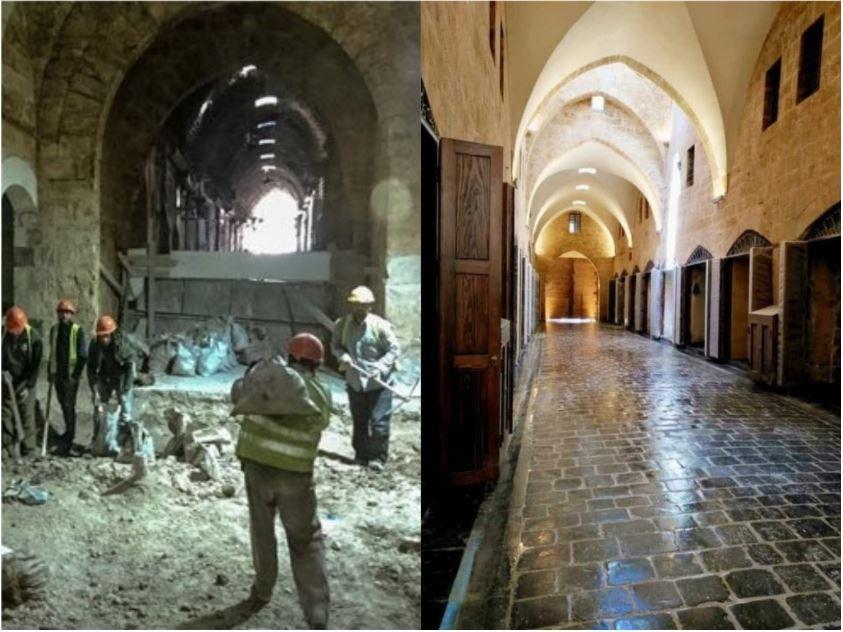
Traditional expertise that has been preserved over the years
Authentic Aleppo soap is still made using a traditional method that has been passed down for centuries.
The soap is slowly cooked in a cauldron before being poured into moulds, cut into bars and then left to dry for several months.
This lengthy drying period is a crucial step in determining the soap’s final quality.
Unlike some rapid industrial production methods, this artisanal process requires time, experience and a perfect understanding of the raw materials.
In its report, Ici Drôme Ardèche highlights this heritage and artisanal aspect, which today makes authentic Aleppo soap so unique.
Maison du Laurier and the Drôme: strong local roots
Although Aleppo soap originated in Syria, Maison du Laurier now operates from the Drôme region.
Based in Montvendre, near Valence, the company is helping to introduce this traditional craft to the French public.
This local presence also enables the company to forge a direct link with consumers through trade fairs, regional events and a more personal approach to business.
The report by Ici Drôme Ardèche highlights precisely this connection between Syrian heritage and local roots in the Drôme region.
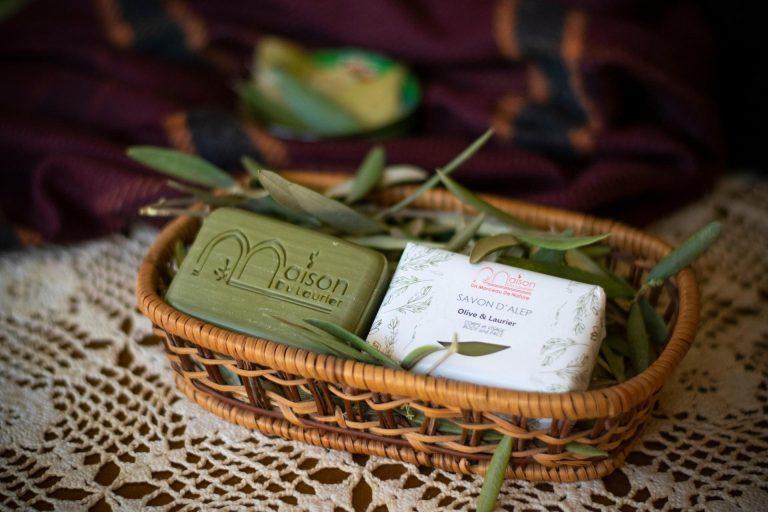
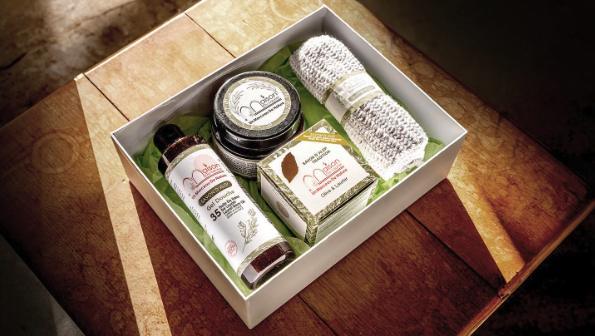
How to tell genuine Aleppo soap apart
With the growing popularity of Aleppo soap, many products are using this name without adhering to the traditional manufacturing criteria.
A genuine traditional Aleppo soap generally has several characteristics:
- it is handmade;
- it has a short list of ingredients;
- it is cooked in a cauldron;
- it undergoes a long drying process;
- it has a green core inside the soap;
- it has a distinctive natural scent.
The report also aims to raise consumer awareness of the importance of checking the origin and ingredients of soaps sold under this name.
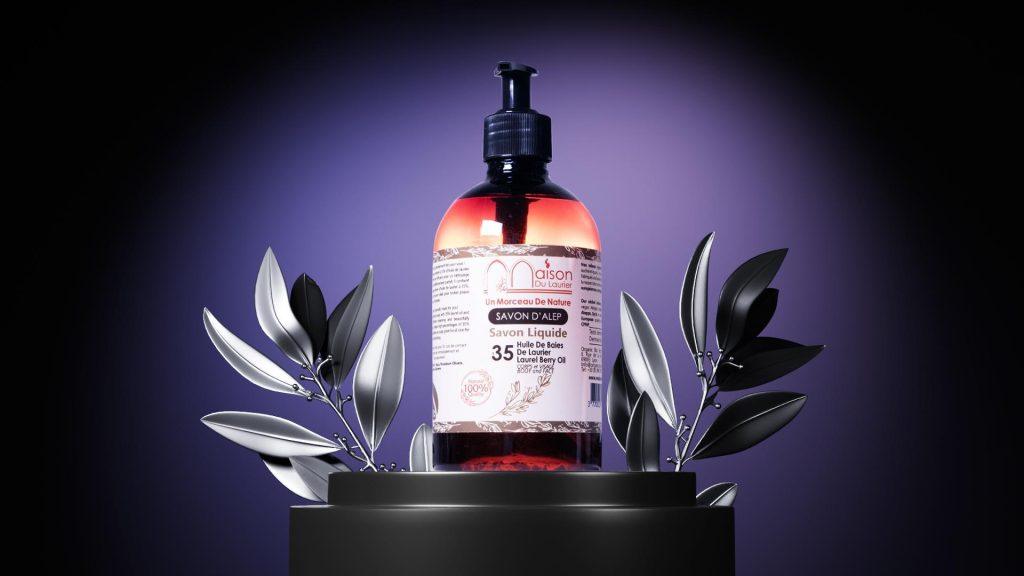
Significant media recognition for Maison du Laurier
Being featured on a regional programme such as ‘Circuits Courts’ is a great honour for Maison du Laurier.
This exposure helps introduce the company to a wider audience whilst highlighting the work carried out in relation to traditional Aleppo soap.
In a market where authenticity is becoming an increasingly important factor, this media coverage also helps to build consumer confidence.
Aleppo soap: a living heritage recognised worldwide
The craft of making Ghar soap from Aleppo was inscribed in 2024 on UNESCO’s Representative List of the Intangible Cultural Heritage of Humanity.
This recognition highlights the historical, cultural and artisanal significance of this ancestral craft.
Even today, Aleppo soap continues to be passed down through the generations whilst appealing to a new audience seeking more authentic products.
Maison du Laurier plays an active role in this tradition by introducing the French public to the history and traditions associated with genuine Aleppo soap.
Find out more
Why was Maison du Laurier featured in *Ici Drôme Ardèche*?
The report highlights the work carried out by Maison du Laurier in relation to authentic traditional Aleppo soap and the craftsmanship involved in its production.
Where is Maison du Laurier located?
Maison du Laurier is based in Montvendre in the Drôme, near Valence.
What is genuine Aleppo soap?
Genuine Aleppo soap is made using a traditional method from olive oil and laurel berry oil.
Why is Aleppo soap so popular?
Aleppo soap is prized for its simple ingredients, its authenticity and its traditional craftsmanship.
Is traditional Aleppo soap still made by hand?
Yes, genuine traditional Aleppo soaps are still made using the cauldron-cooking method and a lengthy, traditional drying process.